The Four Faults We See Most on the W205 C-Class, and How to Catch Them Early
The most common Mercedes C-Class problems we see on the W205 in our Cardiff workshop, and the early warning signs that let you catch them before they get e
Ikram, Owner and lead technician
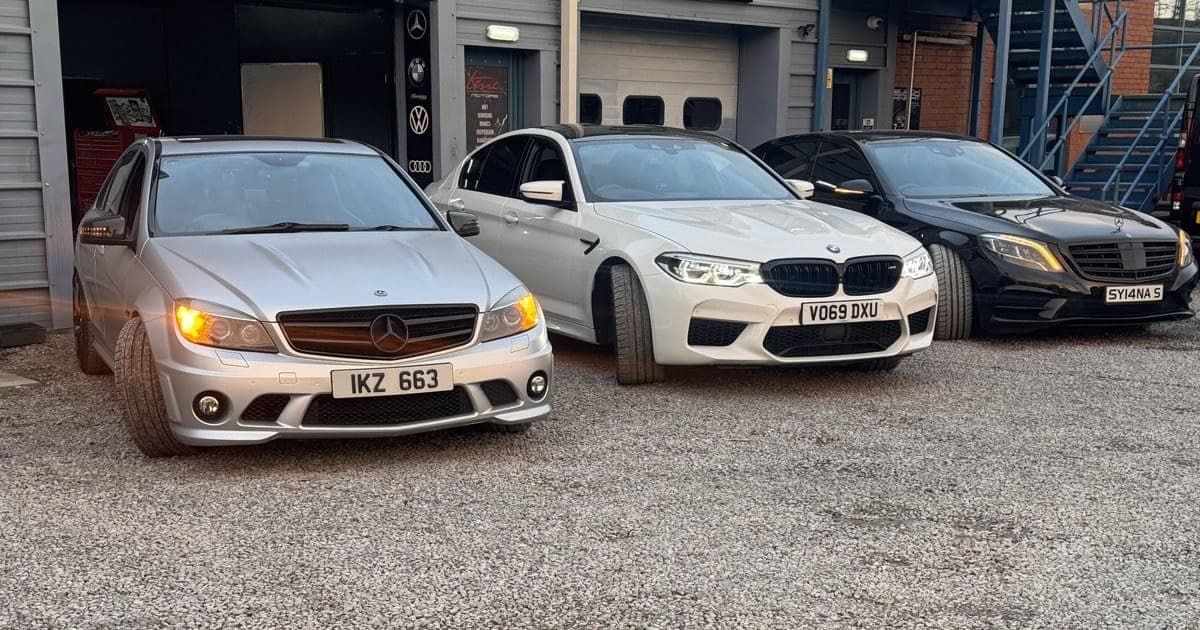
The W205 C-Class, built from 2014 to 2021, is one of the most common cars through our doors at Marine Village. It is a genuinely good car. Comfortable, well built, and when it is looked after it will run for years. But like every model, it has its habits, and after years of working on these cars we can usually tell what is coming before the owner even describes the symptom.
This post is about the four faults we see most often on the W205, why they happen, and the early signs that let you deal with them on your terms rather than at the roadside. None of this is meant to scare you off the car. It is meant to help you keep a good one healthy.
1. Rear coil springs snapping
This is easily the most common single fault we see on the W205, and it catches a lot of owners by surprise.
The rear coil springs on these cars are prone to corrosion, and once the coating breaks down the metal starts to pit. A pitted spring has a weak point, and one cold morning going over a pothole or a speed bump, it lets go. Often the first the owner knows about it is a loud clunk and a bang, or a metallic rattle over bumps.
What to look for
Because the break usually happens at the very bottom coil, you can sometimes spot a broken spring just by looking behind the rear wheel. You might see a short, curled piece of metal sitting where the smooth bottom of the spring should be. A knocking or clonking from the rear over rough roads is the classic early warning.
We also see the springs failing MOTs when they are corroded but not yet snapped. If a spring is heavily pitted we will flag it, because it is only a matter of time. It is worth having the rear suspension looked over as part of a routine inspection, especially after a hard winter of salted roads.
Why it matters
A snapped spring changes how the car handles and can foul the tyre, so it is not something to leave. The good news is that it is a well understood job. We tend to advise doing them in pairs so the ride stays even.
2. Timing chain and tensioner issues on the petrol engines
The smaller petrol engines in the W205, particularly the four cylinder units, can suffer timing chain stretch and tensioner wear over time. This is the fault owners worry about most once they have heard about it, and it is the one where catching it early genuinely saves you.
A stretched chain or a tired tensioner throws out the timing, and if it is left long enough the consequences can reach into the engine itself. This is not a job you want to be reacting to after the damage is done.
The early signs
The first symptom is usually a rattle from the front of the engine on a cold start. It often lasts a second or two before the oil pressure builds and the tensioner takes up the slack, then it goes quiet. That brief cold-start rattle is the sound people ignore for months, and it is exactly the sound we want to hear about early.
You may also see the engine management light come on with timing correlation faults stored in the memory. If your car has flagged anything to do with camshaft or crankshaft position, do not clear it and forget it. That is the car telling you the timing is drifting.
Key takeaway: Most expensive W205 repairs start as a small noise or a warning light that got ignored. The cheap version of every fault on this list is the one you catch early.
Oil is not optional here
Chain wear is made much worse by tired or wrong oil, and by extended service intervals. These engines want the correct grade, changed on time, full stop. If you have bought the car used and you do not know its oil history, an early oil and filter change with the right specification is cheap insurance. We can read the fault memory and check the timing with our diagnostics equipment before deciding whether anything deeper is needed.
3. Diesel faults: DPF, EGR and AdBlue
The diesel W205 is a strong motorway car, but it hates short journeys, and Cardiff traffic gives it plenty of them. Most of the diesel faults we see come down to the emissions system not getting the conditions it needs to work properly.
DPF blockage
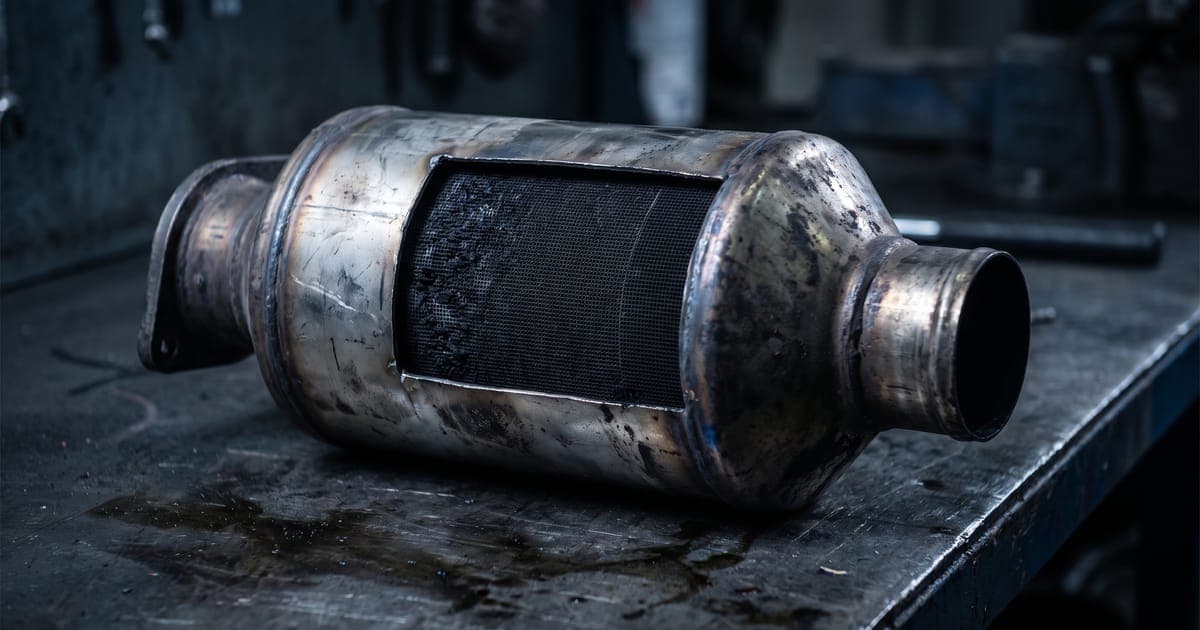
The diesel particulate filter needs a good run at temperature to burn off the soot it collects. If the car only ever does short, cold trips to the shops and back, the filter never regenerates properly and the soot builds up. Eventually you get a warning light, limp mode, and a car that will not clear itself no matter how many motorway miles you throw at it once it is that far gone.
The early sign is a DPF or exhaust warning light that comes on and then goes off again after a longer drive. That is the car managing to regenerate, just about. If you see that light appearing more often, the filter is struggling and it is worth acting before it blocks solid.
AdBlue and NOx sensors
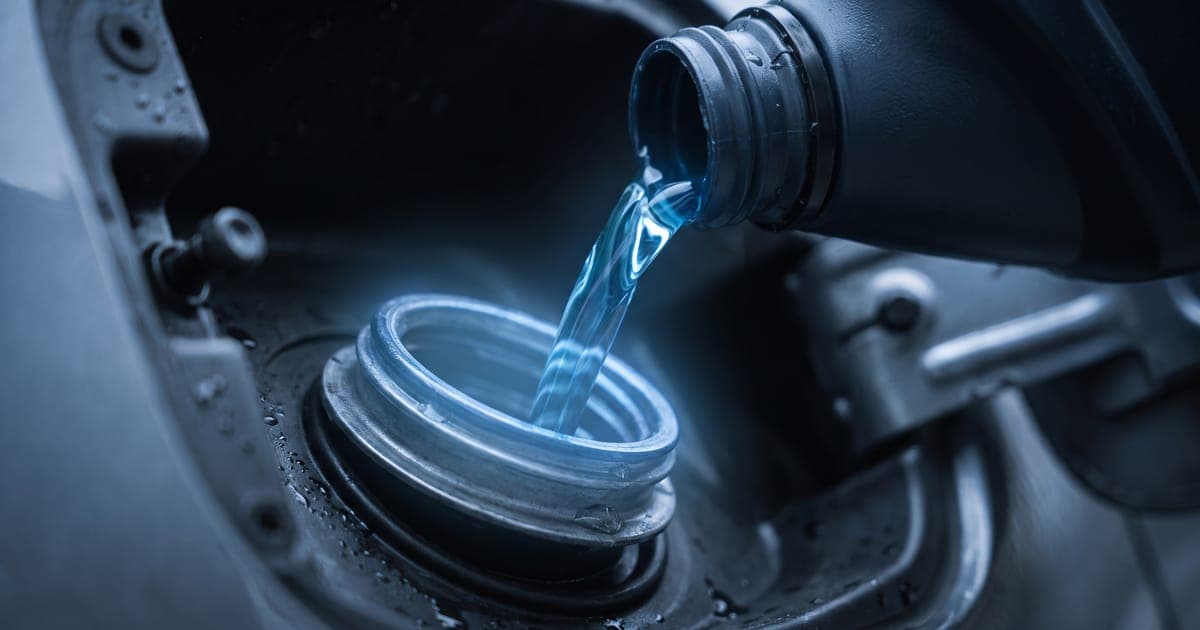
The later diesels use AdBlue to keep emissions down, and the NOx sensors that monitor the system are a common failure point. A faulty sensor brings up an emissions warning and, on some cars, a countdown that eventually stops the car from starting. It is alarming when it happens, but it is usually a sensor rather than anything catastrophic. Catching it when the light first appears means you deal with it in the workshop rather than when the car refuses to restart on the driveway.
If you mostly do short journeys in one of these diesels, the single best thing you can do is give it a proper run at motorway speed regularly. It lets the whole emissions system do its job.
4. Electrical gremlins and the 12 volt battery
The W205 is a heavily computerised car, and a lot of the odd behaviour owners report comes back to one thing: a tired 12 volt battery.
When the battery voltage drops, these cars do strange things. Warning lights that make no sense, the stop-start system refusing to work, the reversing camera dropping out, random messages in the instrument cluster, doors that do not lock first time. People assume they have an expensive electrical fault when in fact the battery is on its way out and the car's electronics are complaining about low voltage.
How to tell
If several unrelated faults appear at once, especially after the car has stood for a few days, suspect the battery before anything else. A slow crank on start-up, or stop-start that has quietly stopped working, are both good clues. These cars need the battery coded to the car when it is replaced, so it is not always a simple swap, but it is a far better place to start than chasing individual warning messages.
We often find a fresh, correctly coded battery clears a whole list of faults that looked serious. It is one of the more satisfying jobs, because the owner arrives braced for the worst and leaves with everything working again.
Catching problems early is the whole game
There is a pattern to all four of these. Every one of them starts small: a noise, a light, a system that quietly stops working. Every one of them gets more expensive the longer it is left. The W205 is a car that talks to you, and the owners who do best are the ones who listen to it early.
A regular inspection is where most of these get caught. When a car comes in for routine work we are looking at the springs, listening to the engine on cold start, reading the fault memory, and checking the battery health as a matter of course. That is how a small job stays a small job. You can see what we cover in our car servicing, and if you are buying a used W205 it is well worth an inspection before you rely on it.
If you are wondering whether having this work done outside a main dealer affects your cover, we have written separately on whether an independent service can void your warranty. The short version is that a properly documented independent service does not, and we keep the records to prove it.
Bring it to us before it gets loud
We are an independent German car specialist at Cardiff Marine Village, and the W205 C-Class is a car we know inside out. If yours is making a noise, showing a light, or just does not feel quite right, the best time to look at it is now, while it is still a small thing.
Every car is different, so we price each job after we have seen the car and understood what it actually needs. Bring it down to Marine Village and we will take a proper look.
Get in touch through our contact page or call us on 07496 265651 to arrange a time.