What an MOT Does Not Check, and Why a Pass Is Not a Clean Bill of Health
An MOT and safety are not the same thing. Here is what a test does not check and why a pass does not mean your car needs nothing doing.
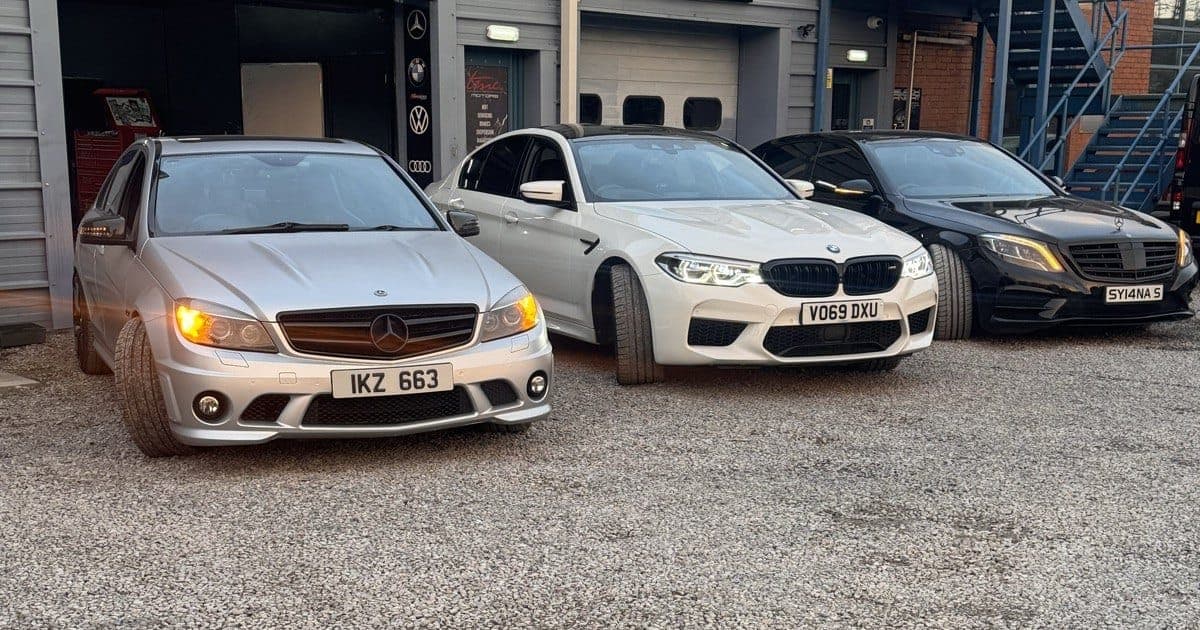
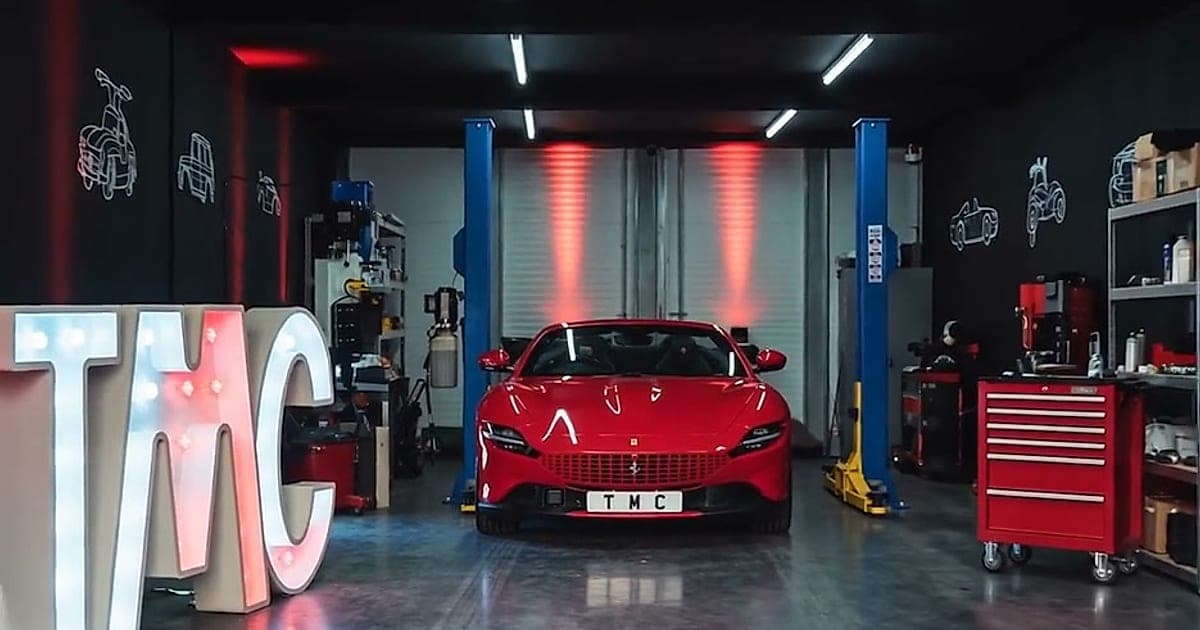
The workshop, Team Mercedes Cardiff

Every week we hand back a car with a fresh MOT pass and the owner assumes the job is done for another year. Then three months later the same car is back with a worn clutch, a coolant leak or brake pads that were nearly gone on test day and are now metal to metal.
None of that is a contradiction. The MOT did exactly what it is designed to do. The trouble is that most people believe the test covers far more than it actually does.
An MOT is a snapshot, not a service
The single most useful thing to understand about the MOT is this: it is a snapshot on the day, measured against a legal minimum. It checks whether your car is roadworthy at the moment it sits on the ramp, nothing more.
It is not a service. It does not change anything, top anything up, or tell you how long a part has left in it. A tester is not allowed to dismantle anything either. They check what can be seen, measured and operated without taking the car apart.
That matters because a lot of what keeps a car safe and reliable lives behind covers, inside sealed units, or simply degrades gradually between annual visits.
Key takeaway: An MOT confirms your car met the legal minimum on the day it was tested. It does not confirm the car is in good health, and it does not tell you what will fail next month.
What the test genuinely does not check
Here is where the gap sits. These are things we check during servicing or diagnostics, and they are not part of an MOT at all.
Engine oil and most fluids
The MOT does not check your engine oil level, its condition, or when it was last changed. A car can sail through with oil that is black, thin and overdue by thousands of miles. The tester has no remit to look.
Brake fluid is the same. It absorbs moisture over time and its boiling point drops, which matters under heavy braking on a long descent. The MOT checks that the brakes work on the day. It does not test the fluid.
Coolant condition and antifreeze strength are not checked either, which is exactly why we flag them in a winter check rather than at test time.
Clutch and gearbox
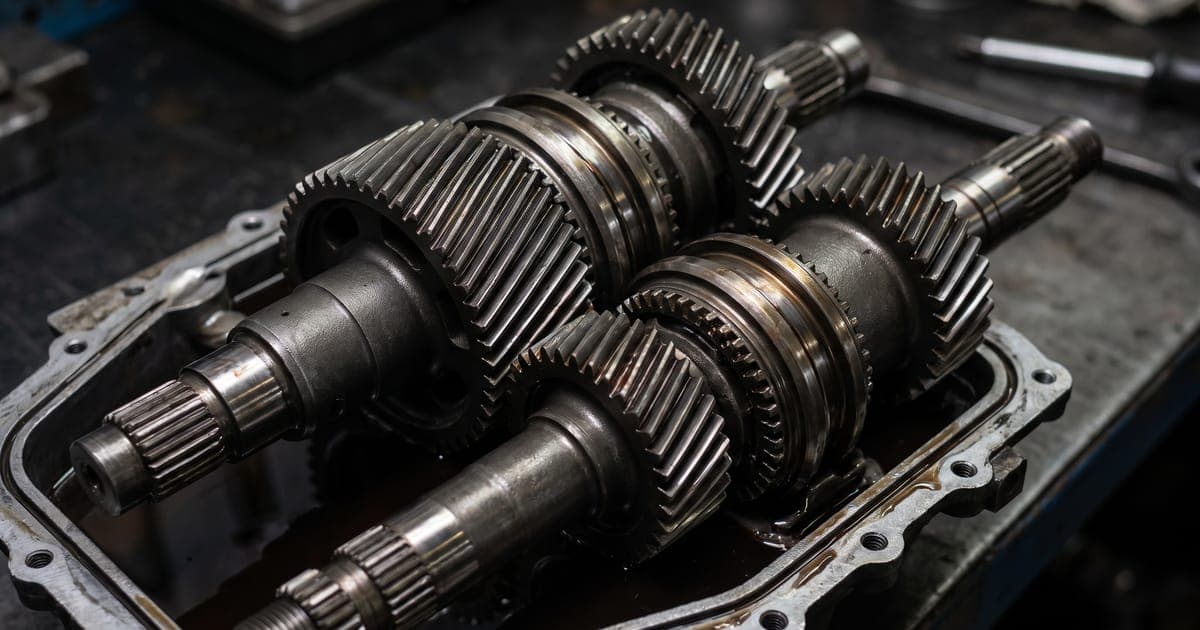
There is no clutch check in the MOT and no gearbox check. A clutch that is slipping on the biting point, a dual mass flywheel starting to rattle, a DSG due its oil service: none of these will show up on a test. The car passes and drives off, and the fault carries on developing.
Cambelt and timing
This is the one that catches people out most. A cambelt or timing chain is never inspected during an MOT. On many engines you cannot even see the belt without removing covers. A belt that is one service overdue and about to let go will not affect a pass in any way, and if it snaps the damage is usually catastrophic. The test offers no protection here at all.
Internal brake and suspension wear
The tester checks that brakes are effective and reasonably balanced, and looks for obvious wear or a warning light. They do not measure how much pad or disc you have left. A set of pads sitting at the end of their life can pass, then wear through within weeks. We see cars back shortly after a pass with pads that were clearly marginal on test day.
Air conditioning, electronics and software
Air con is not tested. A system that no longer gets cold, a cabin filter that is black, a system low on refrigerant: none of it affects the MOT.
Stored fault codes are not read either. A car can have a boot full of logged faults, a sensor on its way out, or an adaptive gearbox losing its settings, and still pass as long as no warning lamp that the test covers is actually illuminated at the time.
Why a pass still leaves gaps
The reason all of this sits outside the test is simple. The MOT was designed to keep genuinely dangerous cars off the road, not to manage the long-term condition of your vehicle. Those are two different jobs.
Servicing manages condition over time. It replaces fluids before they fail, it catches wear while it is still cheap to deal with, and it keeps the manufacturer's maintenance schedule honest. If you want the difference between the service types spelled out, our guide on interim, full or major service breaks down what each one actually includes.
The MOT and servicing overlap in a few places, which is where the confusion starts. Both look at tyres, lights and brakes, for example. But the MOT looks at them against a pass or fail line, while a service looks at them against how long they will realistically last.
A real example of the gap
Take tyres. The MOT checks tread depth against the legal minimum and looks for obvious damage. It does not check whether your tyres are wearing unevenly on the inside edge, which usually points to tracking or a worn suspension component. A car can pass with plenty of tread in the middle and almost nothing on the inner edge, because the tester measures the central bands.
So you drive away thinking the tyres are fine, when in fact one of them is close to the cord on the inside and the underlying cause is still there, quietly chewing through the next set.
That is the whole point. A pass tells you the car cleared a bar. It does not tell you the car is well.
How to use the MOT properly
We are not saying the MOT is worthless. It is a legal requirement and a genuine safety floor. The mistake is treating it as the whole picture.
Pair the test with a service
The sensible approach is to let the MOT do its job and let a service do the rest. A service covers the fluids, the belt intervals, the clutch feel, the brake wear measurements and the fault codes that the test never touches. Between them you get both the legal minimum and the condition check.
If you run a German car and want that condition check done by people who know the platform, our car servicing work is built around exactly the items the MOT leaves out.
Read your advisories, do not just file them
An advisory on your MOT is the tester telling you something is on its way out but has not yet crossed the fail line. These are worth acting on, not ignoring, because they are the one bit of forward-looking information the test does give you.
Know your service and belt intervals
Keep track of when your oil was last done, when the brake fluid was last changed, and when the cambelt is due. None of these move with your MOT date, and none of them are checked at the test. They run on their own schedule, and missing them is where most expensive failures come from.
The short version
A pass means your car was roadworthy on the day, measured against a legal minimum. It does not mean the oil is fresh, the brakes have life in them, the clutch is healthy, the belt is in date or the coolant will cope with winter.
Think of the MOT as the floor and servicing as the plan. The floor keeps you legal. The plan keeps the car reliable and keeps the bills smaller, because catching wear early is almost always cheaper than catching it after it has failed.
We test and we service at the same workshop, so when we do your MOT we can tell you not just whether it passed, but what is coming, what can wait and what genuinely needs doing. That is the part a pass certificate on its own will never show you.
Talk to us
If you want a straight answer on what your car actually needs, not just whether it will scrape a pass, bring it to us at Cardiff Marine Village. We will go through what the test covered, what it did not, and what is worth doing next.
Get in touch via our contact page or call us on 07496 265651.