Genuine, OEM or Aftermarket: Which Parts Your Car Actually Needs
OEM vs genuine parts explained by a Cardiff German car specialist: what the labels really mean and when each is the right choice for your car.
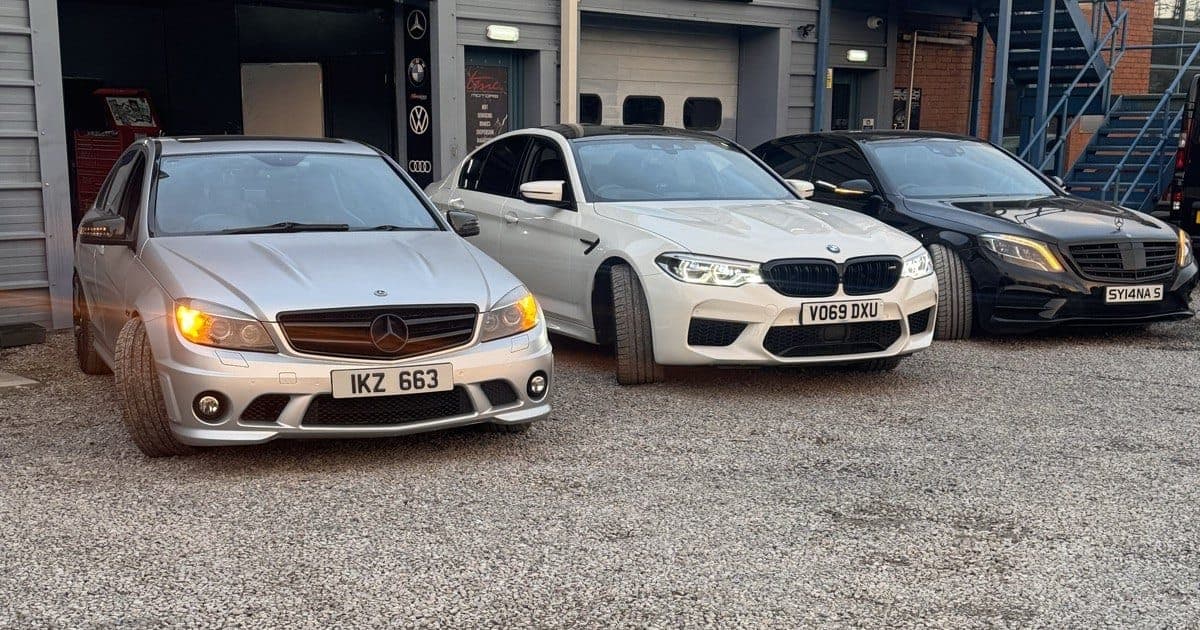
The workshop, Team Mercedes Cardiff
When we quote a job, one of the first questions we get is about parts. Should you insist on genuine? Is OEM the same thing? Is aftermarket a false economy or a smart saving? The honest answer is that it depends on the car, the part and what you are trying to achieve. There is no single right answer, and anyone who tells you otherwise is usually selling you something.
After years working inside main dealers and now in our own workshop, we have fitted all three across Mercedes, BMW, Audi, VW and Porsche. Here is how we actually think about it, in plain terms.
What the three words really mean
The labels get thrown around loosely, so let us define them properly.
Genuine
A genuine part comes in manufacturer packaging with the manufacturer logo on the box. You buy it through a franchised dealer parts department. It is the exact part the factory would fit, at the price the dealer network sets.
OEM
OEM stands for Original Equipment Manufacturer. This is the company that actually made the part for the car maker in the first place. Bosch, ZF, Sachs, Pierburg, Hella, Mahle, Lemforder, Febi and others supply the production line directly.
An OEM part is very often the identical component to the genuine one, made on the same line to the same specification. The difference is the box. It carries the supplier's own branding rather than the three-pointed star or the roundel, and it usually costs noticeably less because you are not paying for dealer packaging and distribution.
Aftermarket
Aftermarket covers everything else: parts made by companies that did not supply the original car. Quality here spans an enormous range. Some aftermarket brands are excellent and match OEM tolerances. Others are cheap castings and thin friction material that will not last and can compromise safety. The word aftermarket tells you nothing on its own. The brand behind it tells you everything.
Key takeaway: OEM is frequently the same part as genuine in a different box. The real dividing line is not genuine versus OEM, it is quality versus cheap, and that decision should be made part by part.
Where OEM makes the most sense
For a huge proportion of routine work, OEM is the sweet spot. You get factory-grade componentry without the dealer markup on the packaging.
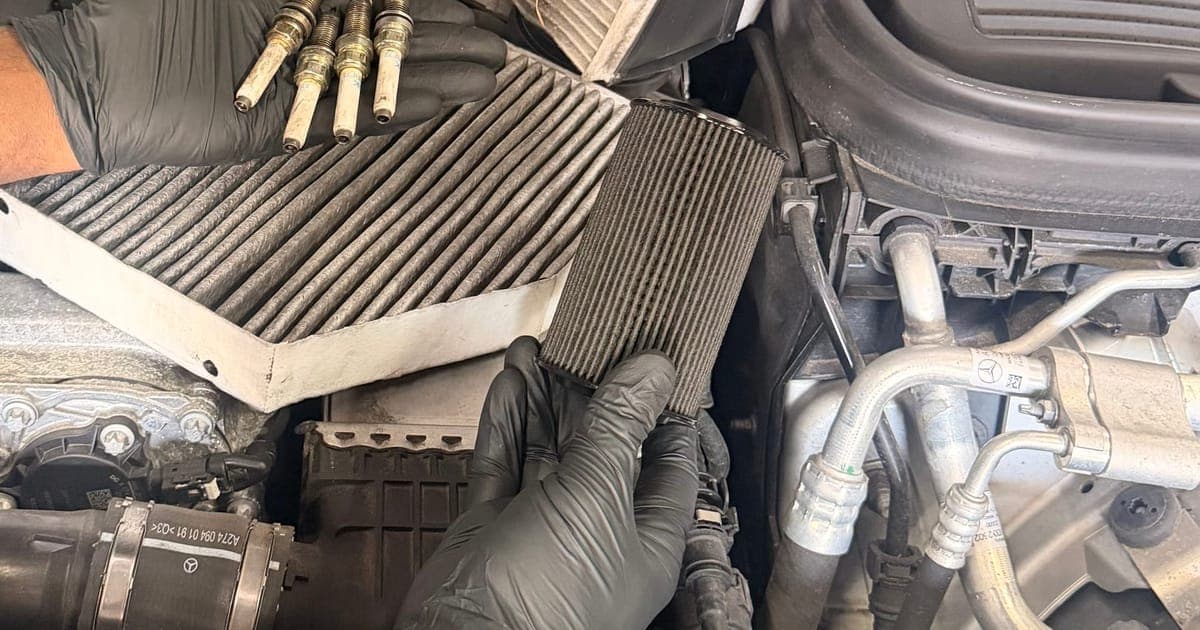
Service consumables are the obvious example. Oil filters, air filters, cabin filters, fuel filters and spark plugs from the original supplier are the same items the car left the factory with. On a German engine we would always use the correct oil to manufacturer specification and a quality filter, and whether that filter says Mahle or Mercedes on the box makes no functional difference.
Suspension parts are another strong case. Lemforder and TRW arms, links and bushes are what many cars wore from new. Fitting the OEM version restores the handling the engineers intended.
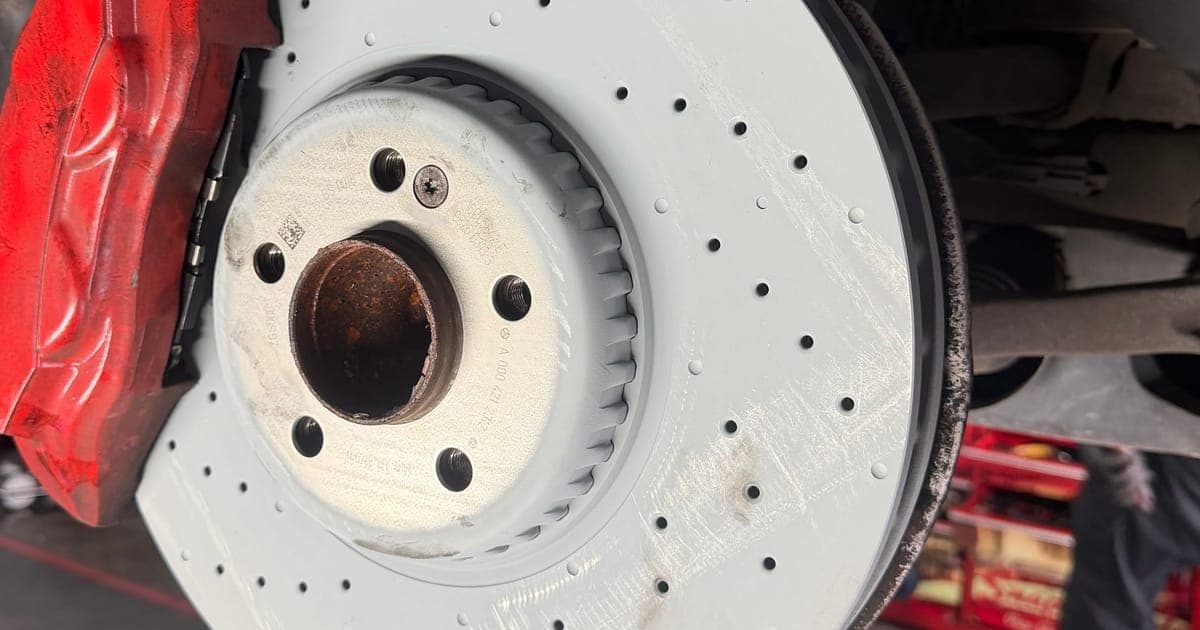
Brake components from Brembo, ATE, Textar, TRW or Zimmermann are OEM on countless German cars. You can buy the same disc and pad that came fitted originally without the dealer name on it. If you want to understand what proper braking work involves, our brakes service page explains how we approach it.
Where we lean towards genuine
There are jobs where we will recommend genuine over OEM or aftermarket, and it is worth knowing why.
Electronics and coded components
Modern German cars are fussy about electronics. Some control modules, sensors and specific electrical parts either need to be genuine or need proper coding to talk to the rest of the car. An aftermarket unit that looks identical can throw faults or refuse to communicate. When a part has to be programmed to the vehicle, we would rather start with a component we know the car will accept.
Safety and structural items
Airbag components, seatbelt parts and certain body-critical items are not the place to save money. We fit genuine here and do not debate it.
Where fit is unforgiving
Some timing components, cooling parts and gaskets on particular engines have very tight tolerances. If experience tells us an aftermarket version tends to leak or fail early on a given engine, we will steer you to genuine or a proven OEM supplier and explain why.
Where aftermarket earns its place
Aftermarket is not a dirty word. On an older car that you want to keep running sensibly, a good aftermarket part from a reputable brand can be exactly the right call. Wiper blades, some bulbs, exhaust sections, and general wear items are all areas where a quality aftermarket component does the job perfectly well.
The skill is knowing the difference between a good aftermarket brand and a bargain-bin one. This is where an independent specialist earns their keep. We buy the brands we have watched perform over years of fitting them, and we avoid the ones that come back.
The false economy trap
The cheapest brake pads on a listing site will stop the car. They will also often dust heavily, fade under repeated use, wear discs faster and need replacing sooner. Fit them and you may pay twice. We have removed plenty of cut-price parts that failed early, and the total cost ends up higher than doing it properly once.
Why the same part can cost very different amounts
Customers sometimes find a part online for far less than we would charge and ask why. Usually one of a few things is going on.
Sometimes the cheaper listing is a lower-grade aftermarket copy dressed up to look OEM. Sometimes it is the correct OEM part but for a slightly different variant of your engine or specification, and it will not fit. German cars have an enormous number of build variations, and the wrong part number is a wasted afternoon.
This is why we decode the exact specification from your vehicle before ordering. Getting the right part number first time is worth more than a small saving on the wrong one.
Does fitting OEM or aftermarket affect my warranty?
This comes up constantly, so it deserves a clear answer. Under Block Exemption rules, using an independent garage and fitting quality-matched parts to the correct specification does not automatically void a manufacturer warranty. What matters is that the work is done properly, the correct parts and fluids are used, and it is all documented. We cover this in more depth in our post on whether an independent service voids your warranty.
The key is documentation and specification. We record what we fit and to what standard, so your service history stands up to scrutiny.
How we decide, part by part
Every car that comes into Marine Village gets the same approach. We look at the specific vehicle, its age, its mileage, how you use it and how long you plan to keep it. Then we recommend the part grade that gives you the best value over the life you want from the car.
A nearly new car under warranty, a daily driver you will keep for years, and a high-miles workhorse you want to run economically all deserve different answers. We tell you the options, explain the trade-offs, and let you make an informed choice. We never quietly downgrade parts to win a job on price, and we never upsell genuine when OEM does the identical work.
If you want a broader picture of what goes into looking after a German car properly, our car servicing page sets out our approach.
The bottom line
Genuine versus OEM versus aftermarket is the wrong way to frame the question. The right question is: what is the correct quality of part for this specific job on this specific car, and where is the manufacturer name adding real value versus just adding cost?
Get that right and you spend sensibly without cutting corners. Get it wrong in either direction, by overpaying for a badge or by buying something that fails early, and you lose money. Our job is to make sure you land in the right place every time.
We are an independent German car specialist and we are not an approved or authorised repairer for any marque. That independence is exactly what lets us choose parts on merit rather than on brand loyalty.
Talk to us about your car
If you have a job coming up and you are not sure which parts make sense, bring the car to us at Cardiff Marine Village and we will decode the exact specification and give you honest options. Please note we do not collect or deliver vehicles, so pop the car in to us and we will take it from there.
Get in touch through our contact page or call us on 07496 265651.